In the demanding environments of foundries and metal shops, dust collection systems face some of the toughest operating conditions in industry. Heavy, abrasive dusts, fluctuating airflows, and high heat all combine to create unique challenges for equipment longevity and regulatory compliance. Yet, many of the biggest risks to dust collector performance and worker safety stem from preventable maintenance mistakes.
Drawing on decades of engineering experience in foundry applications, we’ll outline the top five maintenance mistakes that commonly lead to premature filter failure, higher emissions, and costly downtime—and what you can do to avoid them.

1. Neglecting Filter Life and Differential Pressure Monitoring
One of the most common causes of premature filter failure is simple neglect. In many foundries, operators push filters well past their intended service life or fail to monitor key indicators such as differential pressure (DP).
When filters are not changed on time, the pressure drop across the baghouse climbs too high. This creates strain on the system, increases energy costs, and risks filter rupture. The result is unplanned shutdowns, excessive emissions, and potential noncompliance with air permits.
.
What to do instead:
-
Establish routine DP monitoring and track it against baseline values.
-
Replace filters before they reach critical limits, not after failure.
-
Visually inspect emissions at the stack to detect leaks or broken bags early.
Consistent monitoring and proactive replacement can save far more in downtime and penalties than extending filter life beyond safe limits.
2. Mismanaging Heavy, Abrasive Metallic Dust
Compared to lighter dusts such as wood or grain, metallic dusts and sand from foundry operations are particularly abrasive. These particles wear down filter fibers, ductwork, and elbows, acting like sandpaper over time.
In foundries handling furnaces, additional challenges arise. Furnace emissions often contain hydrocarbons and fumes that coat filter bags, blinding them prematurely. In these cases, engineers often recommend continuous pre-coating—introducing materials like hydrated lime, perlite, or diatomaceous earth into the airstream before it enters the baghouse. This protective layer prevents hot fumes and fine particulates from embedding directly into the filter media.
Best practices include:
-
Installing blast plates or high-inlet drop-out zones to let heavy particles settle before reaching filters.
-
Using continuous pre-coat systems to extend bag life in furnace ventilation.
-
Choosing filter media and system layouts specifically designed to handle abrasive dusts.
3. Failing to Clean and Maintain Hoppers
Dust collectors are designed to capture and contain dust, but if hoppers are not emptied regularly, serious issues follow. Dust buildup can bridge back into the filter section, cause re-entrainment, or overload the cleaning system.
In high-dust environments like foundries, hopper neglect often leads to rapid system wear and filter plugging. Metallic dust in particular settles heavily and resists flow, making it more prone to bridging.
Avoid this mistake by:
-
Establishing a strict hopper cleaning schedule.
-
Training operators to watch for buildup or bridging.
-
Ensuring airlocks and discharge systems are properly sized for heavy dust loads.
A well-maintained hopper keeps material flowing out of the system, preventing the cascade of issues that stem from reintroduced dust.
4. Choosing the Wrong Filter Media for Emission Standards
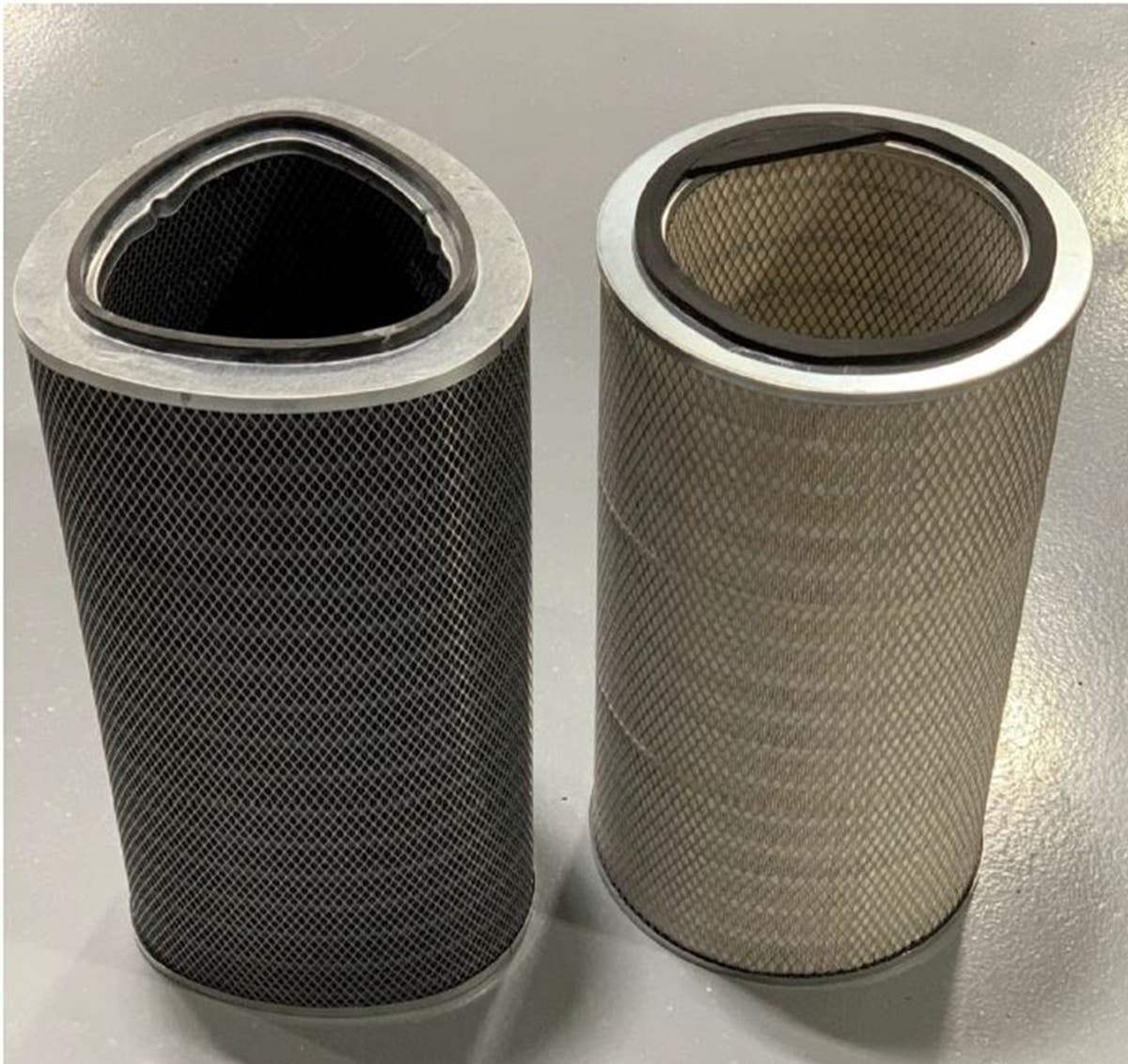
Filter media selection is one of the most overlooked maintenance factors—and one of the most critical. In most foundries, polyester felt filters are standard and sufficient for meeting basic emissions limits. However, as state and federal regulations tighten, many plants now require enhanced performance.
For facilities needing ultra-low emissions, PTFE membrane filters provide higher capture efficiency. While these filters cost more upfront, they can help foundries meet sub-0.005 grain standards or lower when needed.
That said, filter media must always be matched to process conditions. For example, PTFE alone cannot prevent blinding in furnace applications where hydrocarbons are present. Even with advanced media, pre-coating may still be required.
Key considerations include:
-
Verify local air permit requirements before selecting filter media.
-
Balance cost with compliance—don’t over-engineer beyond regulatory needs.
-
Pair high-performance media with process-specific controls like pre-coating or spark arrestors.
5. Overlooking Ductwork Design and Velocity Control
Even with the best filters and hoppers, poor duct design can undermine the entire system. Abrasive dusts like sand cause ductwork to wear rapidly, particularly at elbows and bends. If velocities are too low, dust drops out and accumulates; if too high, the ductwork erodes quickly.
The sweet spot is typically between 3,800–4,200 feet per minute in foundry systems. Staying within this range keeps material moving without creating excessive wear.
Maintenance strategies include:
-
Inspecting duct elbows and high-wear areas frequently.
-
Avoiding unnecessary bends in duct layouts.
-
Using wear-resistant linings or reinforced elbows in high-load areas.
-
Regularly recalculating velocities as processes or equipment change.
A well-maintained duct system protects your filters, reduces wear, and minimizes costly repairs.
Final Thoughts
Foundries and metal shops operate in environments that push dust collectors to their limits. But with the right maintenance approach, costly failures and compliance risks can be avoided.
To recap, the five biggest mistakes to avoid are:
-
Ignoring filter life and differential pressure monitoring.
-
Mismanaging heavy, abrasive dust loads without protective measures.
-
Neglecting hopper cleaning and discharge systems.
-
Choosing filter media that doesn’t align with emissions requirements.
-
Overlooking ductwork design, layout, and velocity control.
Each of these areas carries unique challenges, but all share a common thread: proactive maintenance is far less expensive than reactive repairs. By investing in routine inspections, proper filter selection, and process-specific system design, foundries can extend the life of their equipment, protect workers, and maintain environmental compliance.
At U.S. Air Filtration, we’ve been designing and maintaining dust collection systems for foundries for decades. Our team understands the nuances of abrasive dusts, high-temperature processes, and strict emission standards. Whether you need guidance on media selection, help with duct layout, or solutions for extending filter life, we’re here to help you keep your operation running clean, safe, and efficient.
Need support with your dust collection system? Contact U.S. Air Filtration to speak with one of our engineers and find the right maintenance solutions for your facility at 888-221-0312 or [email protected].